Honoring the Source

A brief overview of cultural and historical context
in West African Dance
The traditional dances I share in class are coming from the Western region of the African continent, in an area known today as the country of Guinea. The capital of Guinea is Conakry and the country is bordered by Senegal, Guinea Bissau, Sierra Leone, Mali, Liberia, Ivory Coast, and the Atlantic Ocean.
On this map, you will see the country of Guinea in the color green, with a star on the capital of Conakry. Many ethnicities of peoples live in the region we know today as Guinea, including the Fulani, Malinke, Susu, Kpelle, Kisi, Toma, Baga, Landouma, Nalu, Temine and 15-20 more.
In 1958, the people of Guinea voted for independence from French governance which had long colonized the region. Newly independent, they elected Ahmed Sekou Toure as their first president. Toure held competitions to call together the most talented dance and drum artists from villages all over the country, representing many different ethnic backgrounds. They came together in the capital city of Conakry to form the first national dance and drum company to represent the country, Les Ballet Africains de la Republique du Guinea.
President Toure brought the company with him all around the world, where they performed for audiences on every continent, garnering international interest in the cultural traditions and incredible talents of the people of this region.
One of my most influential teachers, Youssouf Koumbassa was a principal dancer in another of Guinea's early national dance companies, Ballets Djoliba. Since the 1960's Youssouf and many more dance and drum artists from Guinea's original companies have been traveling, teaching, and finding homes on every continent, thus building a large international community devoted to the study of West African dance and drumming in the tradition of the peoples of Guinea.
Each of the countries that make up West Africa have traditions of dance and drumming, and although there are certainly similarities and overlaps, there are also unique differences across the region. Likewise, there are traditions of dance and drumming across the continent that differ vastly in instrumentation and movement style. In each case, the movements and their accompanying songs and rhythms reflect the culture, the land, the ways of life, practices, traditions and experiences of the people.
To honor and preserve the important elements that make up culture and people and their unique stories, it is important not to lump the vast and varied music and dance traditions from across the continent into one general idea, and instead to learn the specific traditions and acknowledge the roots and origins of the forms we study.
In present day Guinea, traditional movements in the original village dances remain, while the dances also continue to evolve and expand through the national dance companies. This ever-evolving cultural art form reflects the added style and flavor of each artist in the original companies, as well as the styles coming through the upcoming generation of artists, sharing this tradition around the globe.
Honoring our Teachers

I extend my heartfelt gratitude to all of the ancestors of this beautiful tradition and to every one of my teachers, the cultural ambassadors who bring the culture and its joy around the globe.
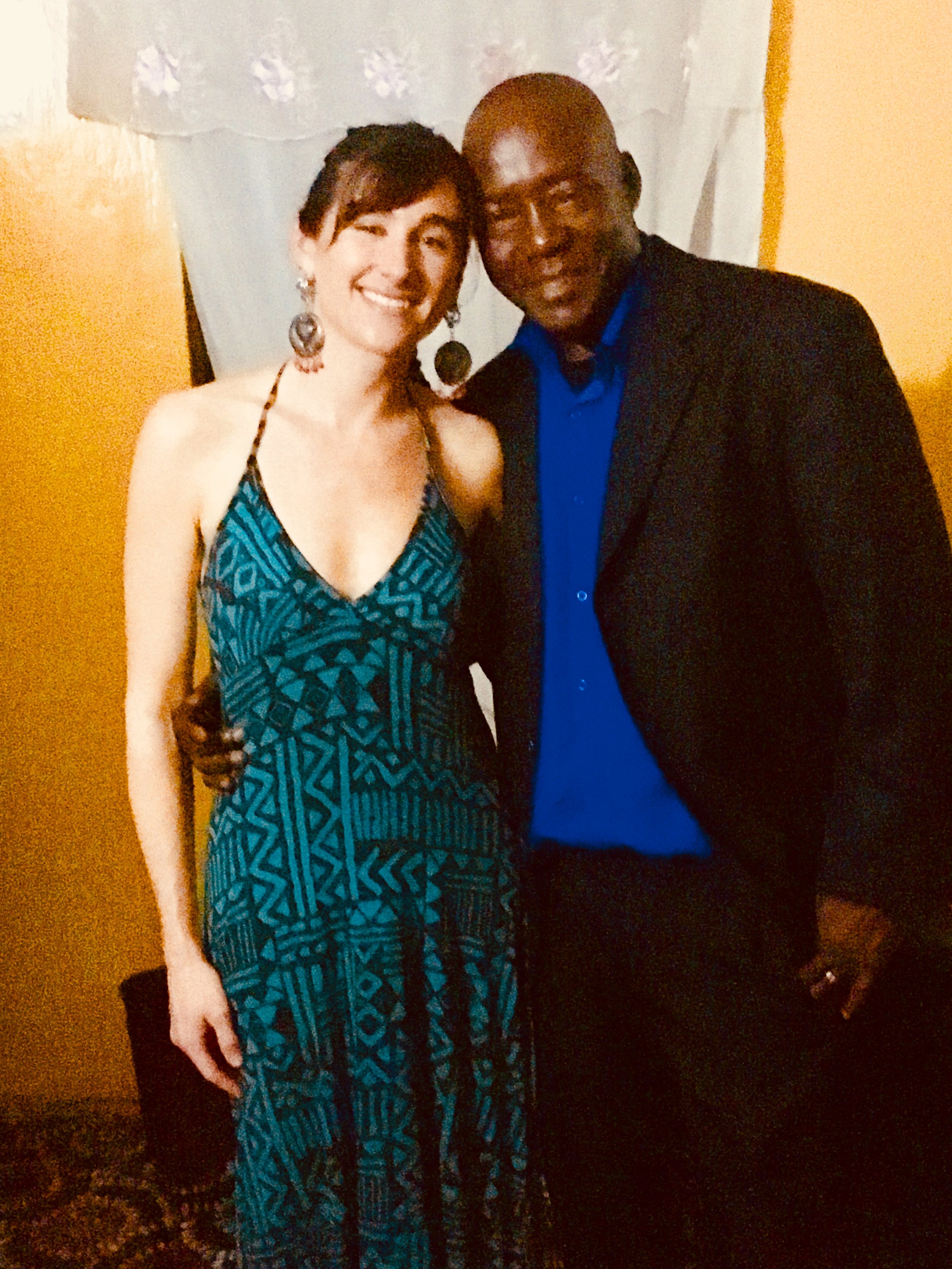
Marita with world-renowned artist and teacher, Youssouf Koumbassa
Some of my most influential dance teachers ~
Youssouf Koumbassa, Moustapha Bangoura, Sidiki Sylla, Bountouraby Kouyate, Rokiakemoko Sano, Aisha Bangoura, Salia Camara, Bangaly Sylla Cisse, Makiti Niak, Alya Sylla, Seny Daffe, Mouminatou Camara, Djeneba Sako, Nafi Diabate, Abdoulaye Sylla, Ismael Kouyate and Fara Tolno.
And drum teachers ~
Bolokada Conde, Alya Sylla, Sekou Sano, M’Bemba Bangoura, Namory Keita, Sayon Camara and Ismael Bangoura.
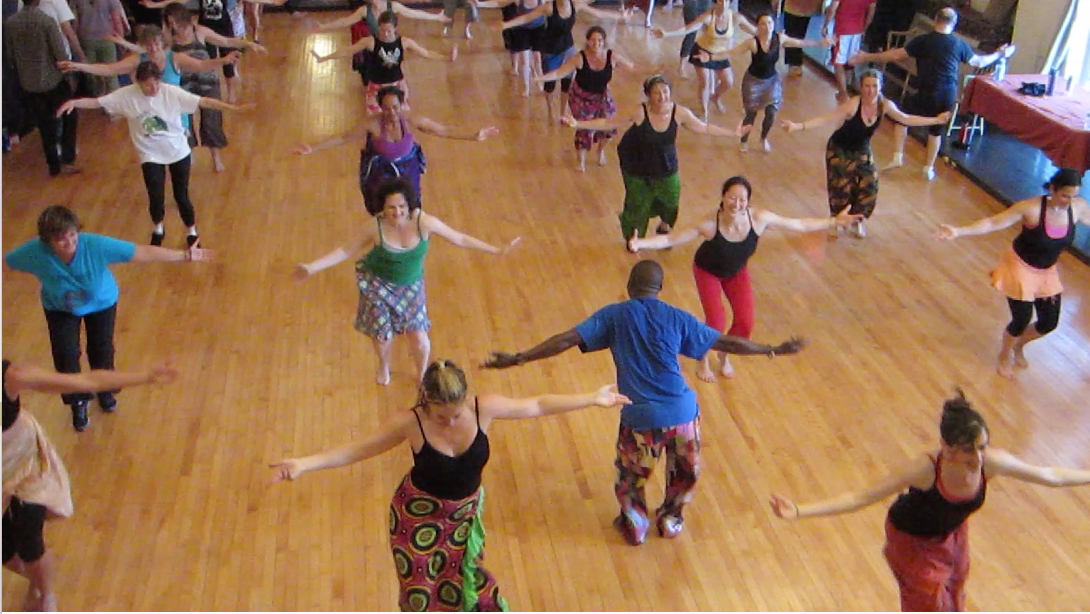
Artist and cultural ambassador Youssouf Koumbassa (center) leading dance class at the Mechanic’s Hall in Portland, Maine
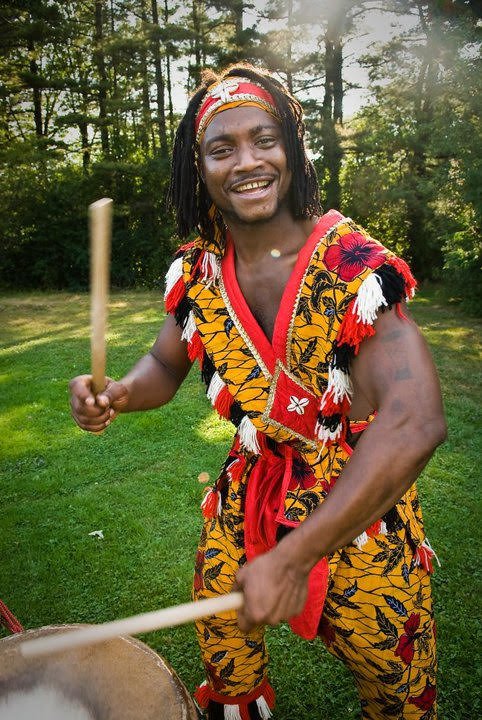
Seny Daffe, many times returning guest dance & drum artist to Embody the Rhythm
Hosting Guest Artists
As often as possible, I collaborate to host master West African artists as guests to our communities ~ expanding access to the wealth of knowledge, energy, artistic expertise and joy they offer.
If you have funding sources or other resource connections for bringing in master artists, please get in touch!
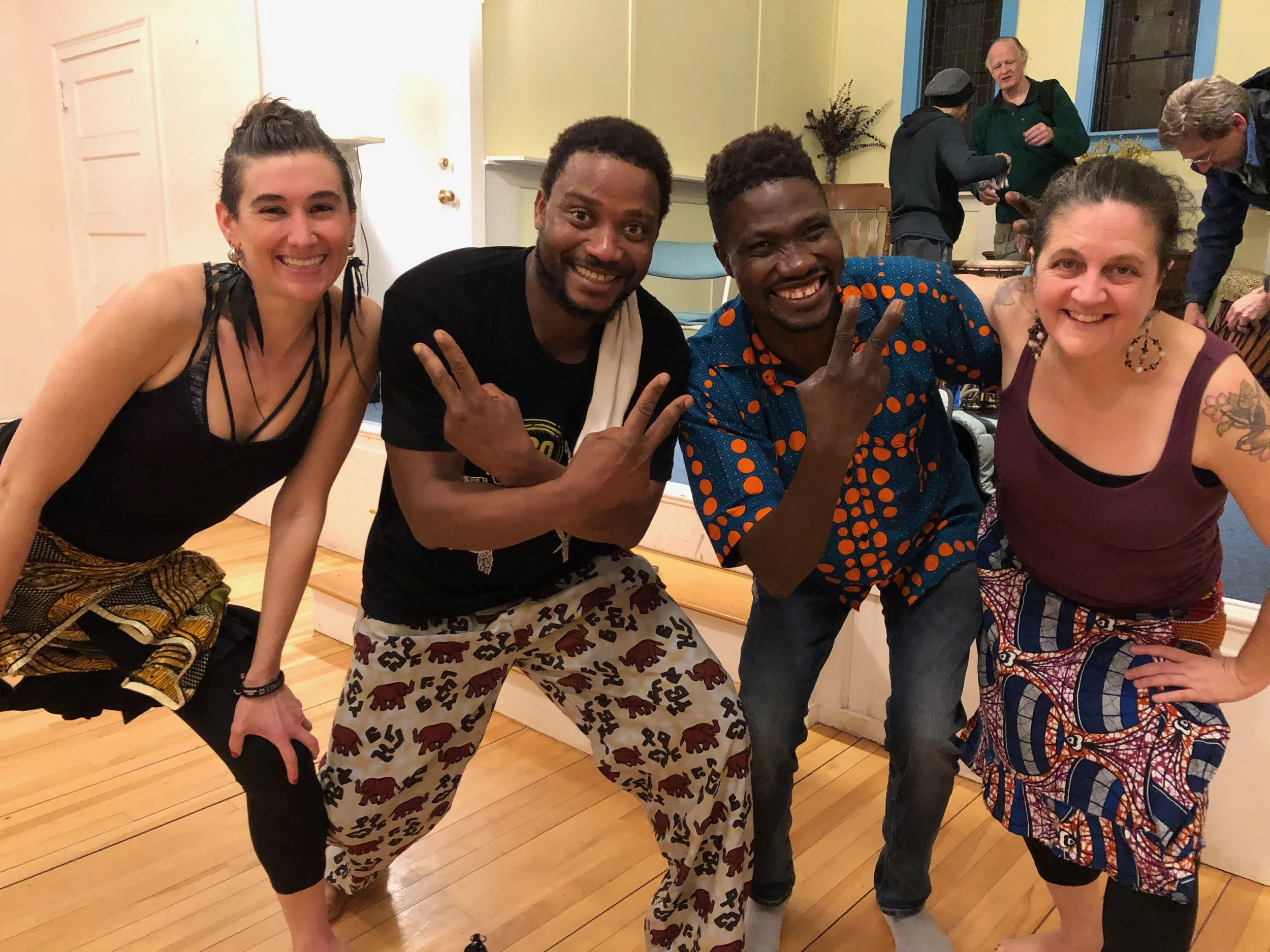
Left to right, Marita Kennedy-Castro, Seny Daffe, Namory Keita, Elizabeth Fowler
Guest Artists to Embody the Rhythm, since 2003
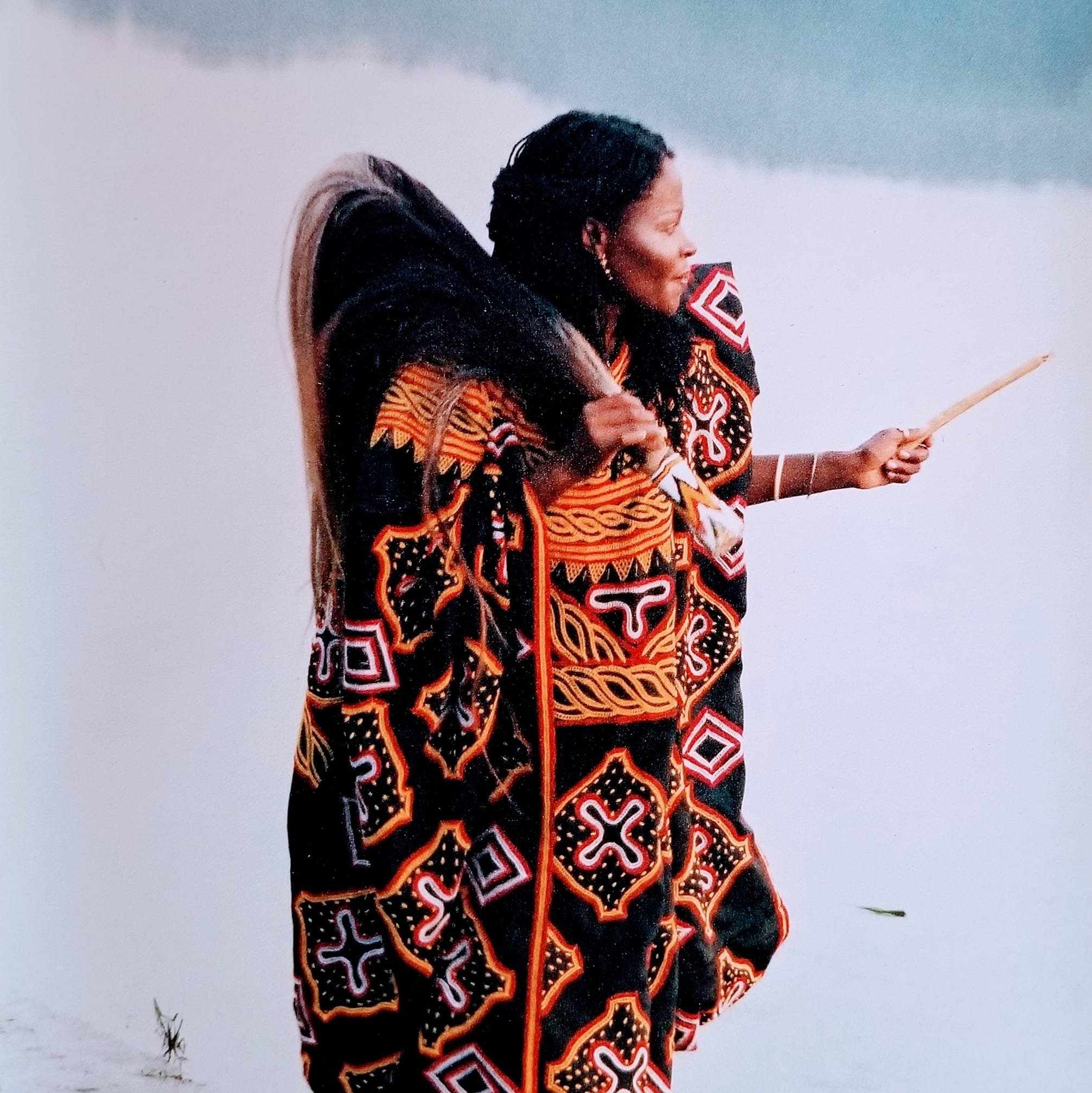
Brigitte Ndikum-Nyada
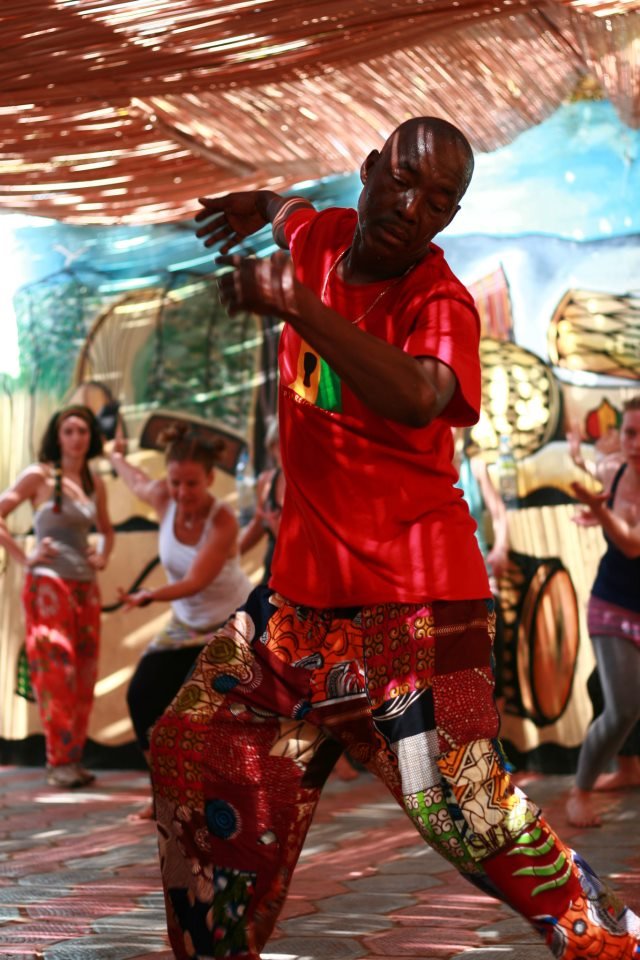
Youssouf Koumbassa
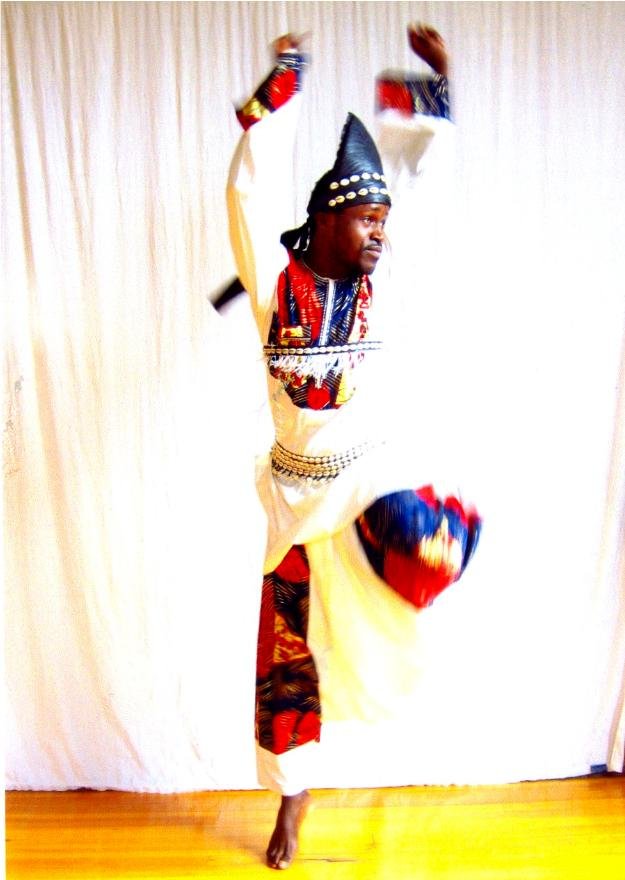
Ismael Kouyate
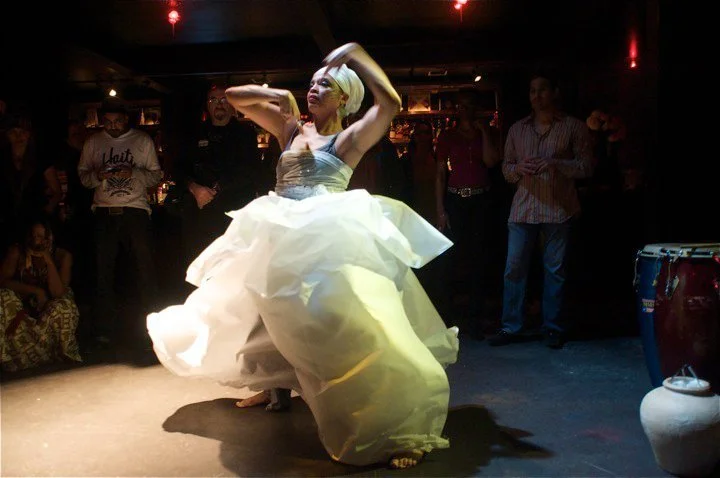
Maestra Isaura Oliveira
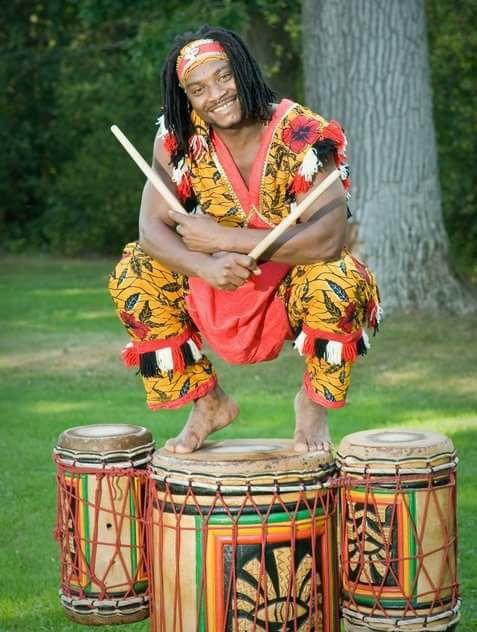
Seny Daffe
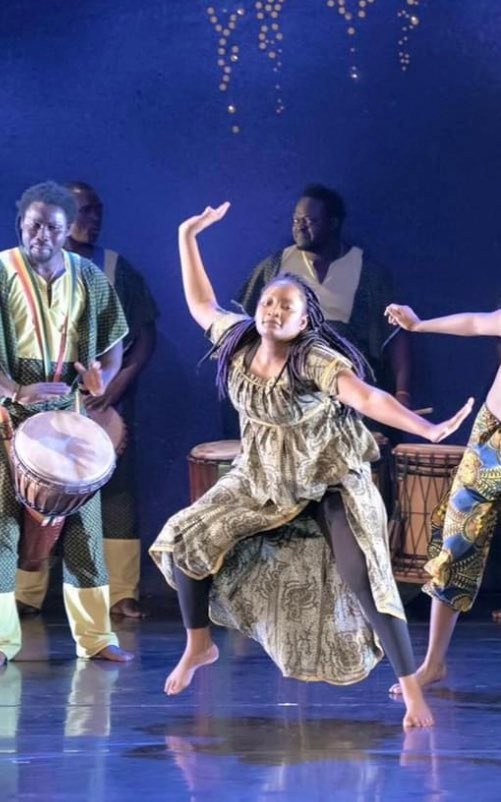
Nafi Diabate
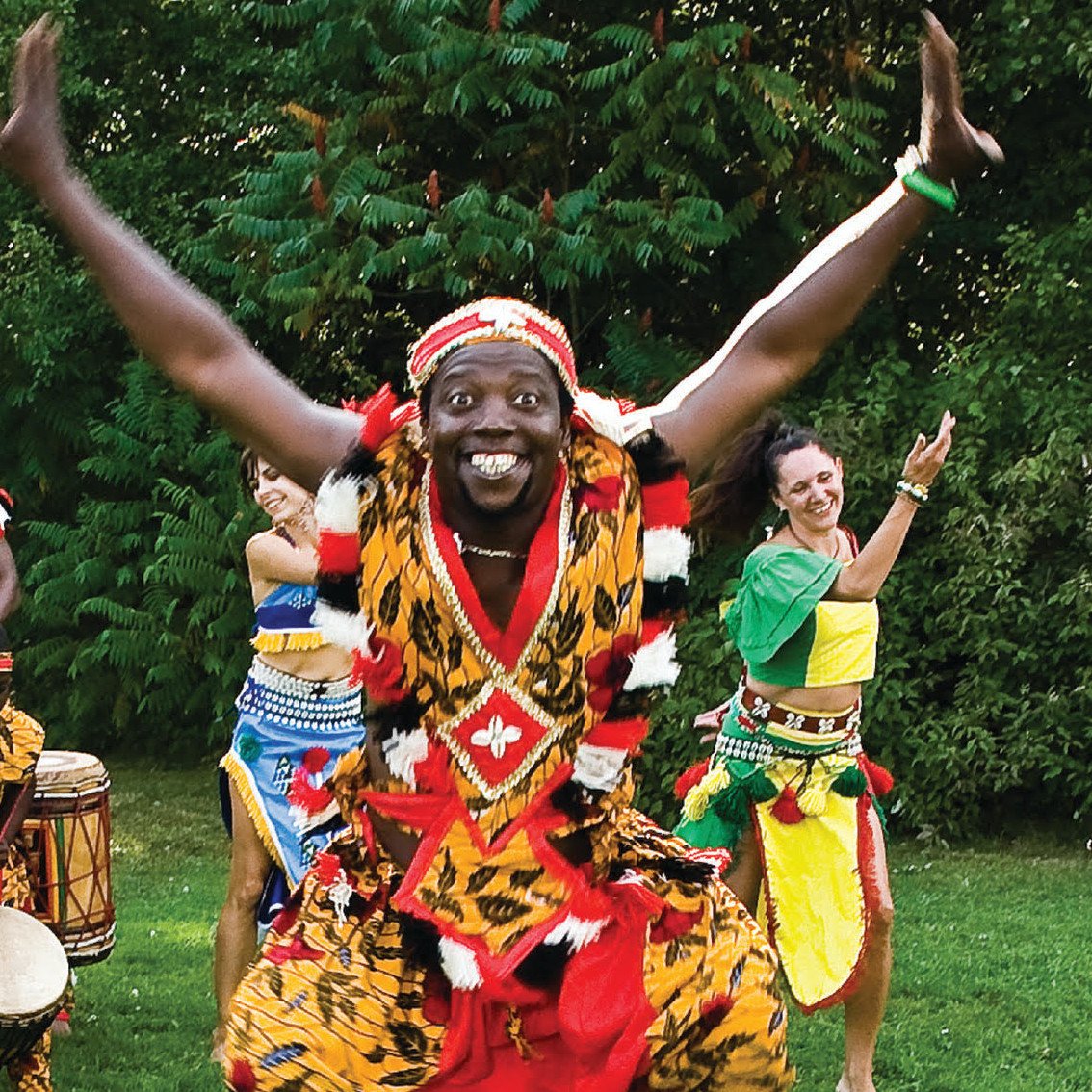
Sidiki Sylla